Have you ever found yourself flooded with lots of ‘what if’ thoughts in the face of uncertainty?
- ‘What if I mess up during my presentation’
- ‘What if the results from my medical test show up as abnormal’
- ‘What if I miss my flight because of the traffic’
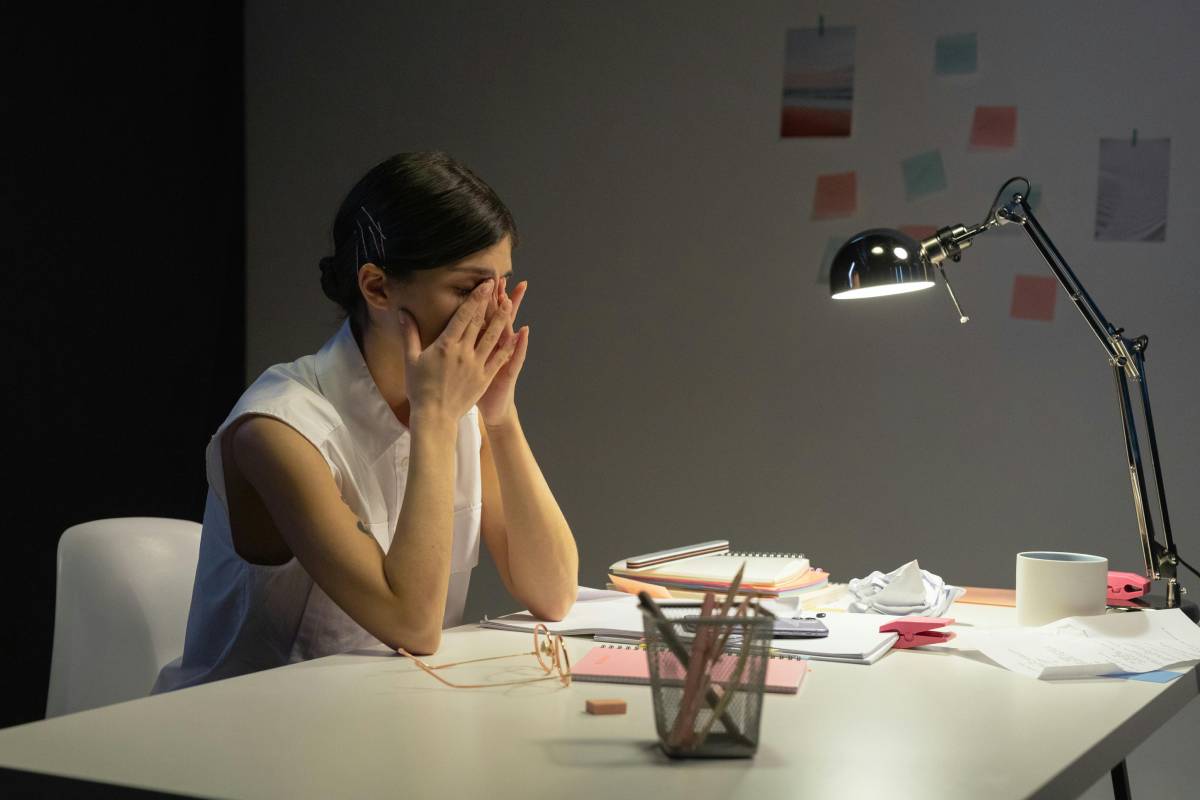
Feeling stressed and anxious is normal, especially when faced with unpredictable circumstances. For many of us, stress can show up as lots of intrusive ‘what if’ thoughts or present as physical sensations such as tension, increased heart rate or shortness of breath.
It is important to recognize that you don’t have to suffer through your emotions.
Here are 4 strategies to help you cope with the sad, the bad and the scary:
- Take deep breaths. Anxiety often causes our nervous system to spike. Slow your body down through your breath, by taking deep inhales, and exhales.
- Resist the urge to predict the outcome. Many of us don’t love uncertainty and try to predict what could happen. However, this approach often backfires as we often feel even more powerless in the process as this can cause more ‘what ifs’ to immerge.
- Remain in a routine. It is important to carry on as normal. A busy body helps silent a loud anxious mind.
- Be kind to yourself. Lean into things that help you feel good (spending time with friends, a favorite television show, long bath).
If your anxiety spikes high, it might be helpful to reach out to a person your trust who can provide comfort or perhaps some social distraction when dealing with uncertainty. Remember you don’t have to cope with distressing feelings alone. At Crosstown Psychology and Wellness Clinic, we help individuals develop strategies to best cope with uncertainty. Reach out to us through our website (crosstownpsych.com) if you would like to learn more.
Navigating mental health concerns and life stressors can be overwhelming, but you don’t have to do it alone. Discover tailored therapy that provides actionable strategies to ease your anxiety and help you find balance. Take the first step—contact our Toronto psychology clinic today.